

Thermal Shelter for Fossilized Stumps
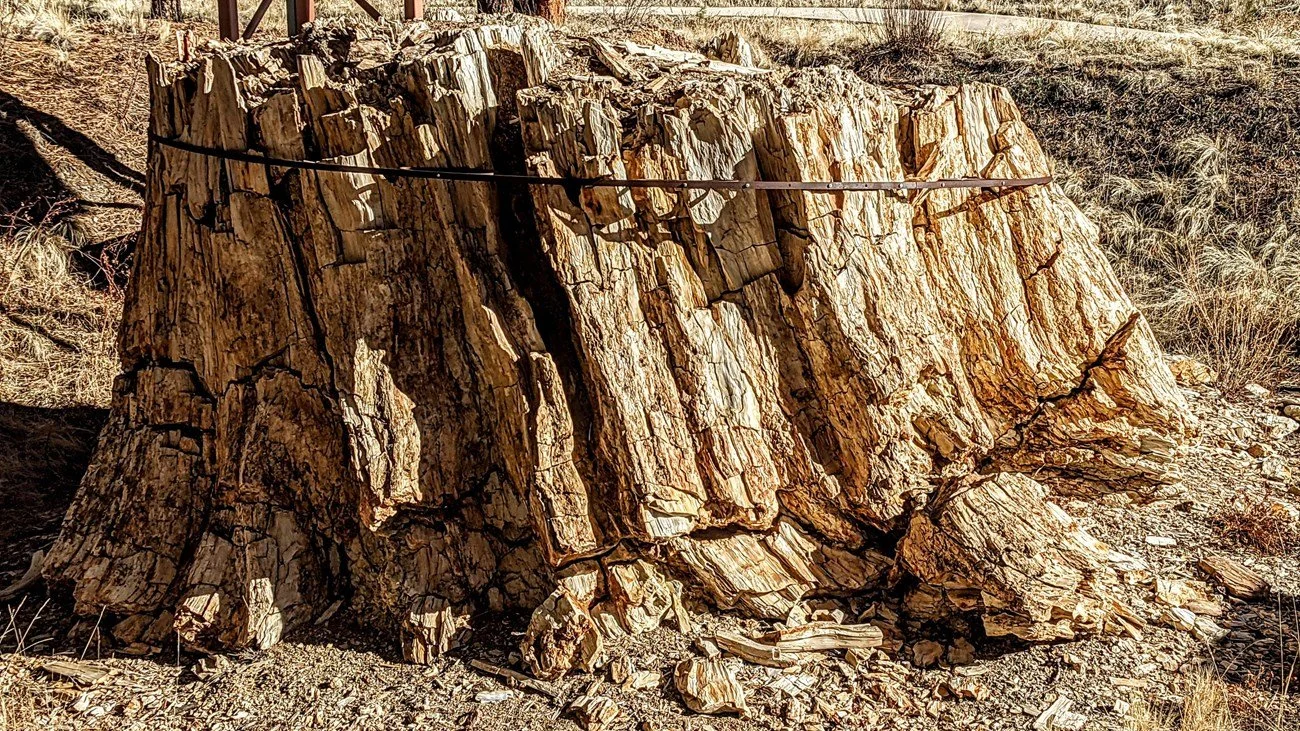
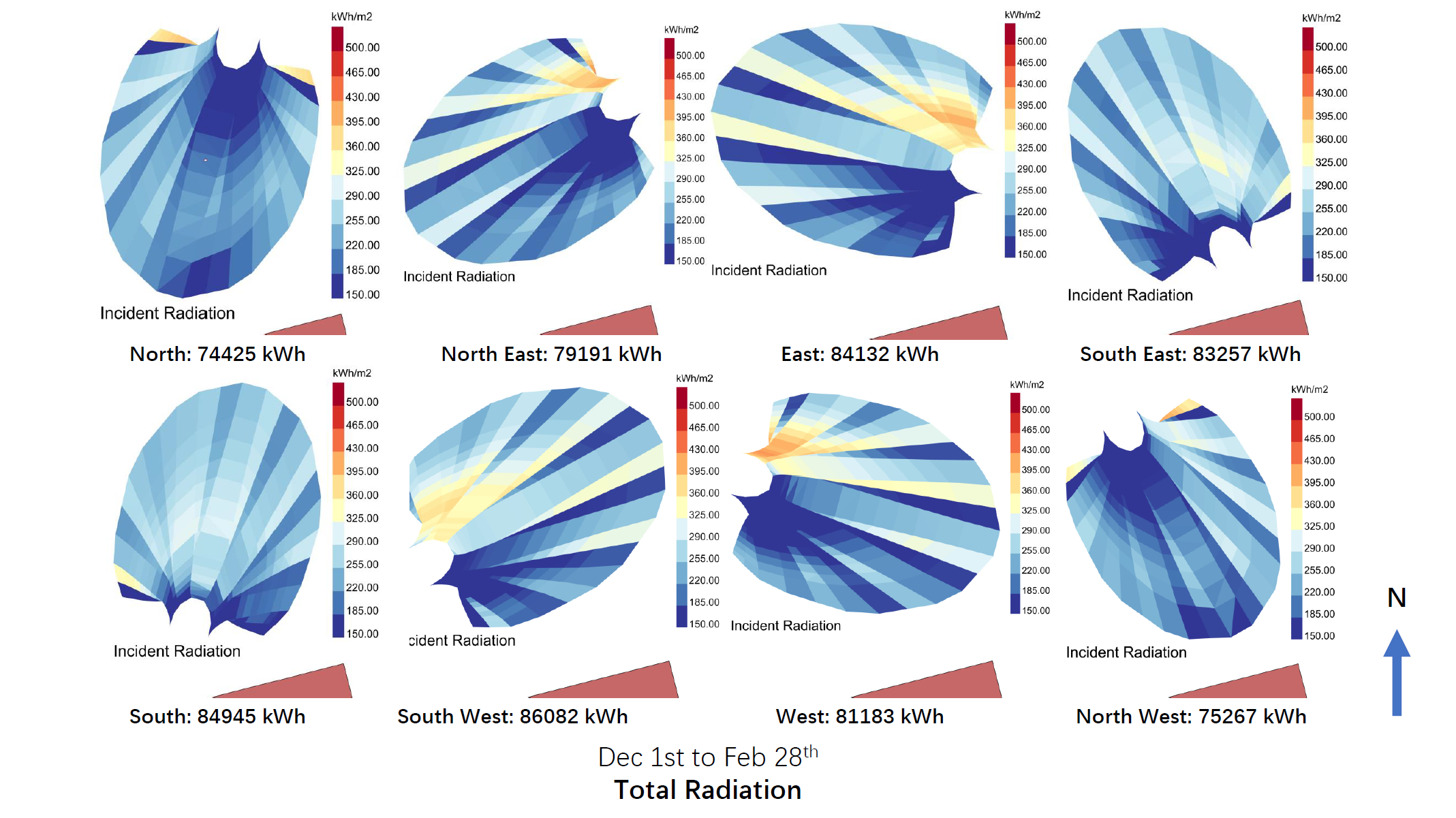
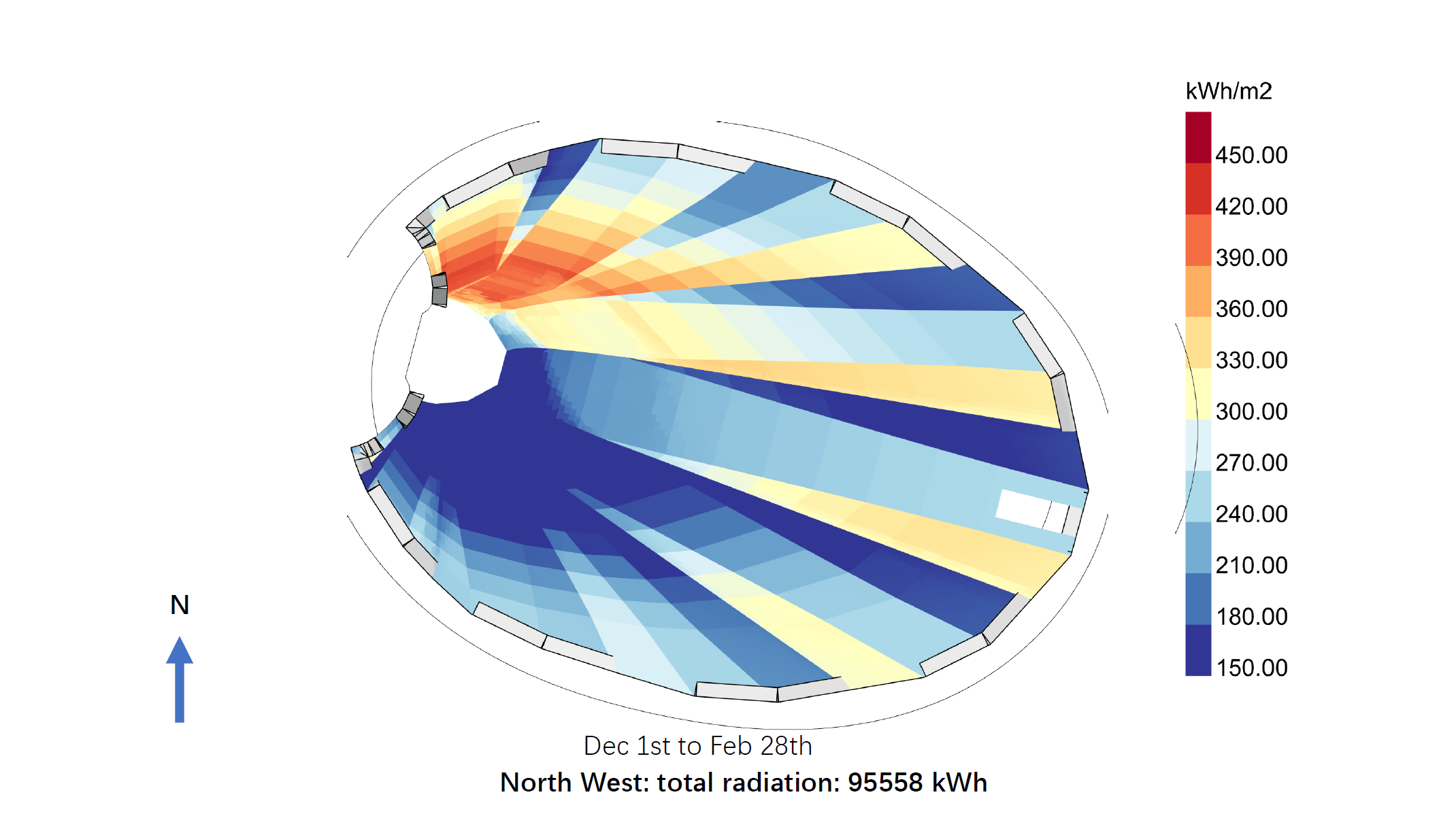
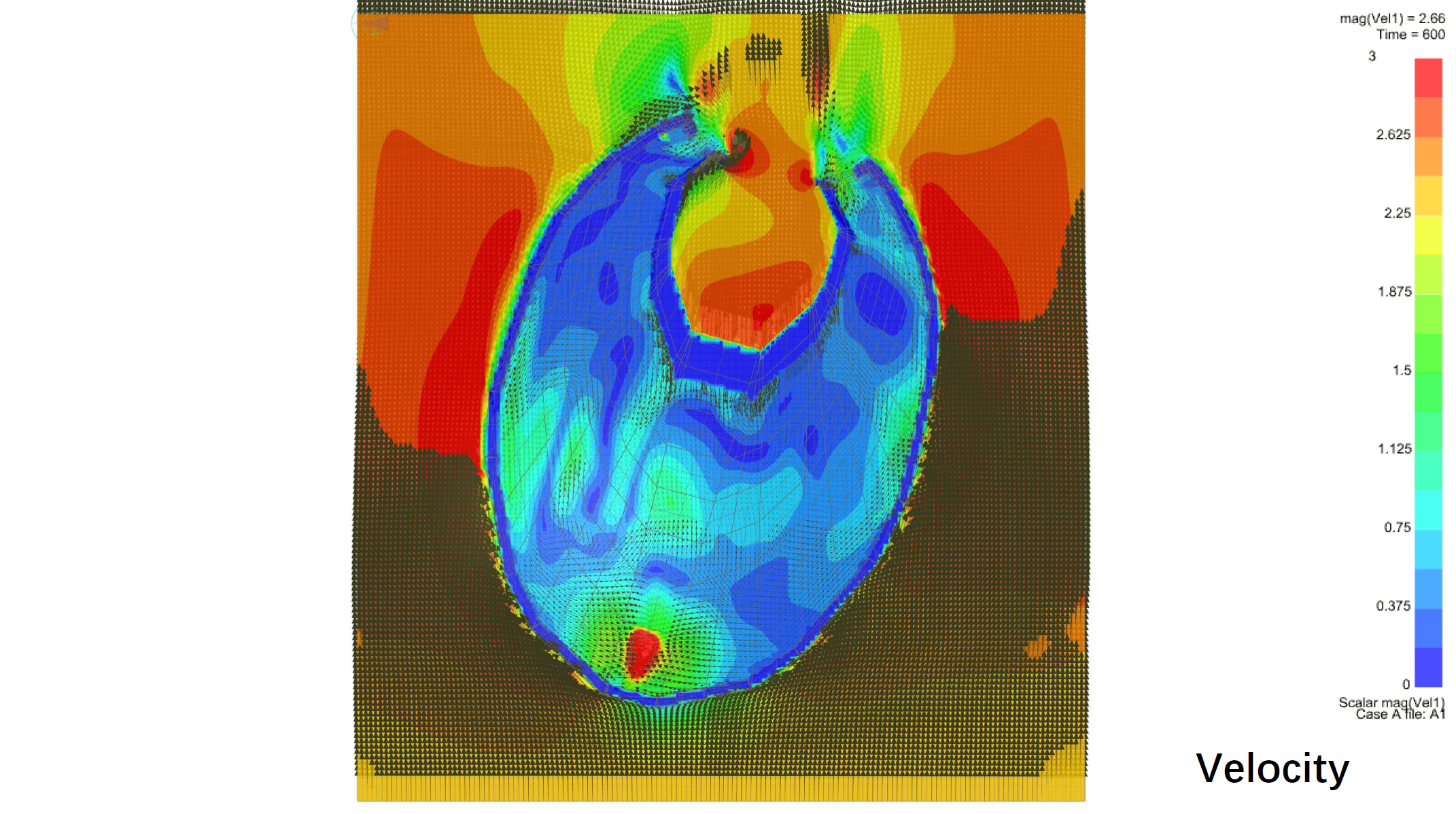
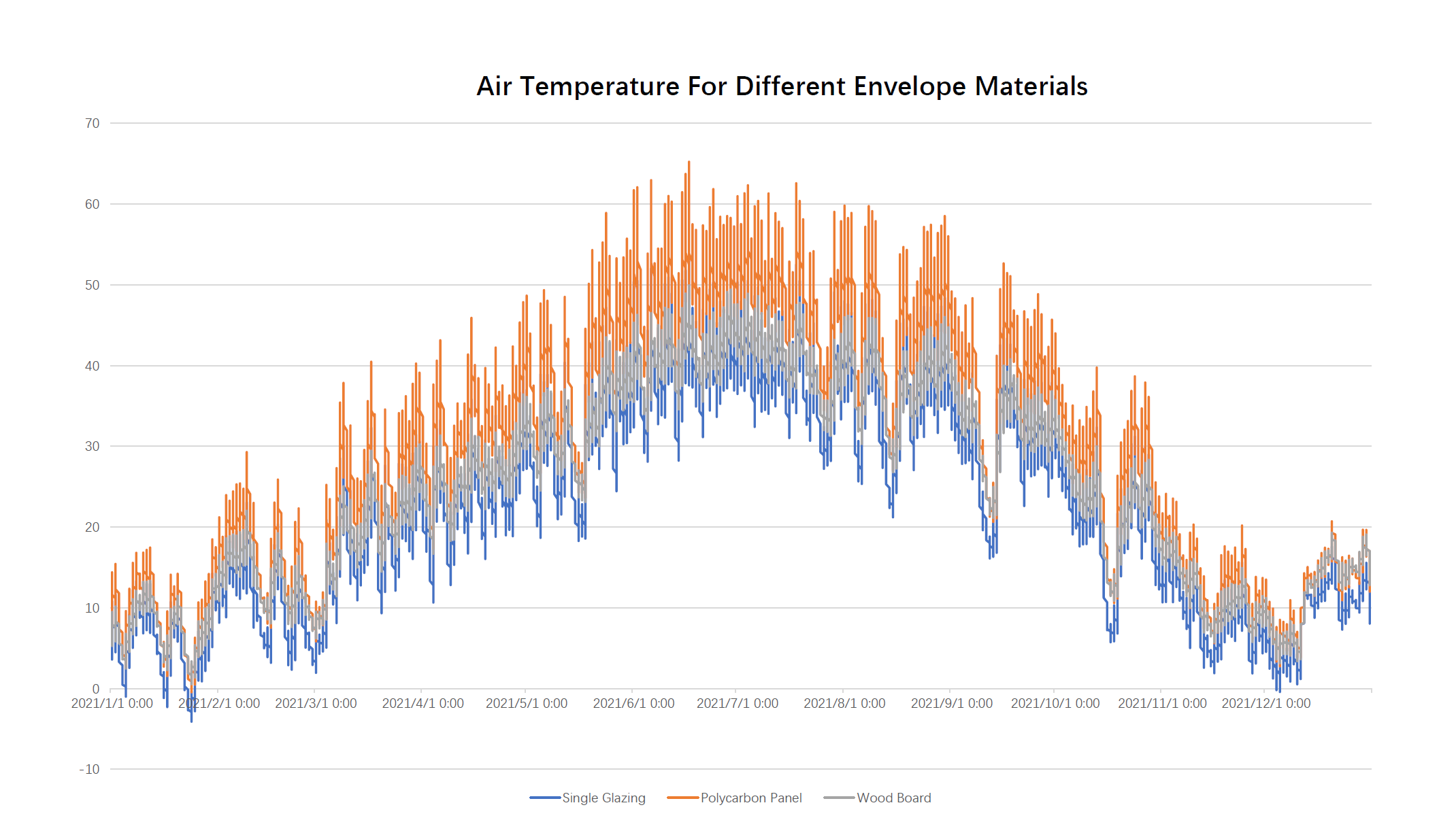
The Petrified Tree Stumps (PTSs) at the Florissant Fossil Beds National Monument in Colorado are an important part of the ecosystem as they allow the study of prehistoric ecosystems and climates. However, the stumps show increased erosion from environmental factors, mainly frequent freeze-thaw cycles. Since their conservation is of high importance, we have conducted a study to assess how to protect them from water damage and freezing using a passive shelter design. A pavilion prototype was tested on-site with embedded sensors installed to evaluate its thermal performance. The senosr data collected indicated that the number of freeze-thaw cycles were reduced in the Fall and Spring seasons. Further modeling work is currently ongoing.
Project Credits
Principal Investigators: Frank Matero, Dr. Masoud Akbarzadeh (structural design and construction), Dr. Dorit Aviv (environmental analysis).
Thermal Architecture Lab Team: Jun Xiao, Hong Wei, Qinming Hou, Hanzhong Luo
Polyhedral Structural Lab Team: Hua Chai, Teng Teng, Yiliang Shao, Michael Ting, Dr. Maximilian E. Ororbia, Mariana Righi.
National Park Service Collaborators: Herb Meyer, Evan Oskierko-Jeznacki, Conni O’Connor.
Funding: National Park Service