
Walk to Work
Measuring Heat Stress in the Urban Environment
Urban Heat and Human Thermal Experience
How does urban heat affect the way we feel and respond as we move through the city?
This interdisciplinary pilot study brings together outdoor thermal comfort research and biological anthropology to investigate how urban microclimates influence human physiological and psychological responses to heat during everyday walking.
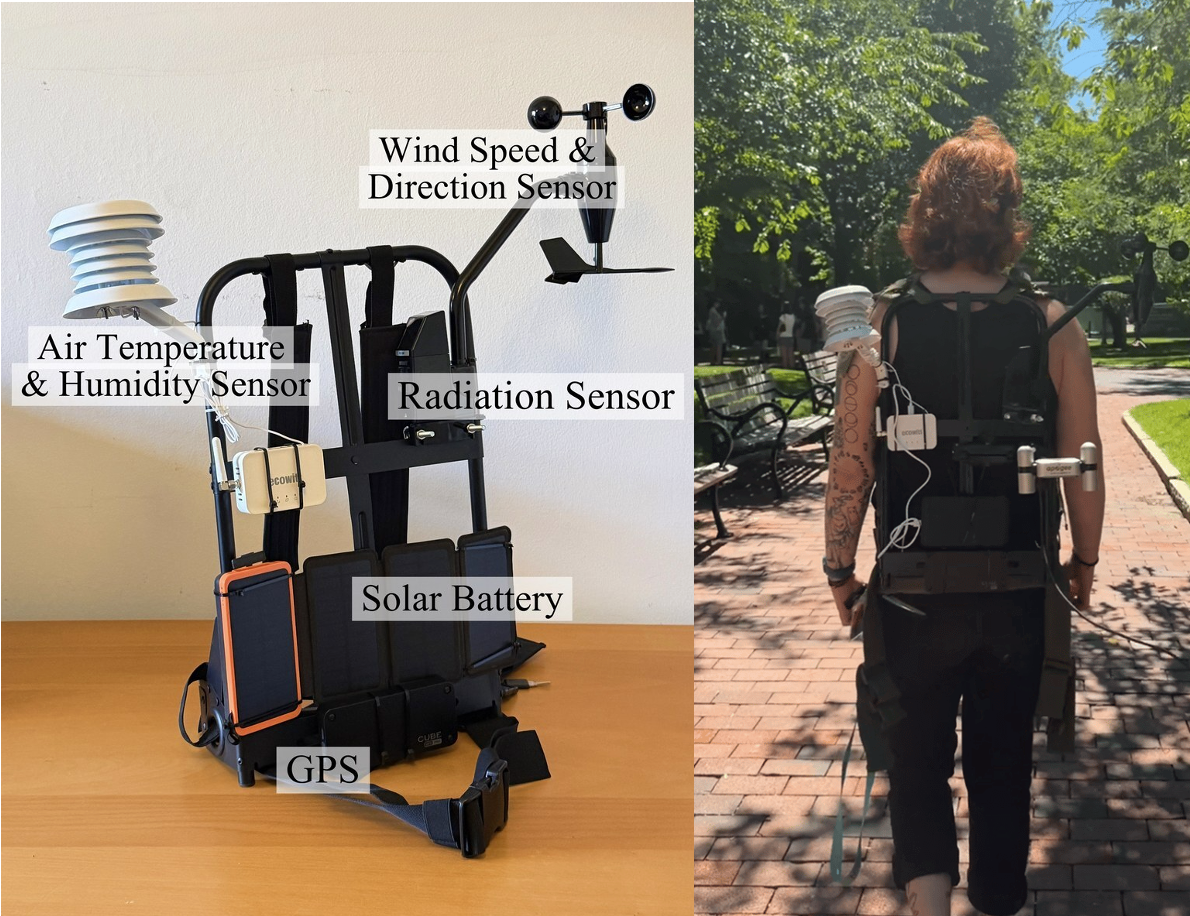
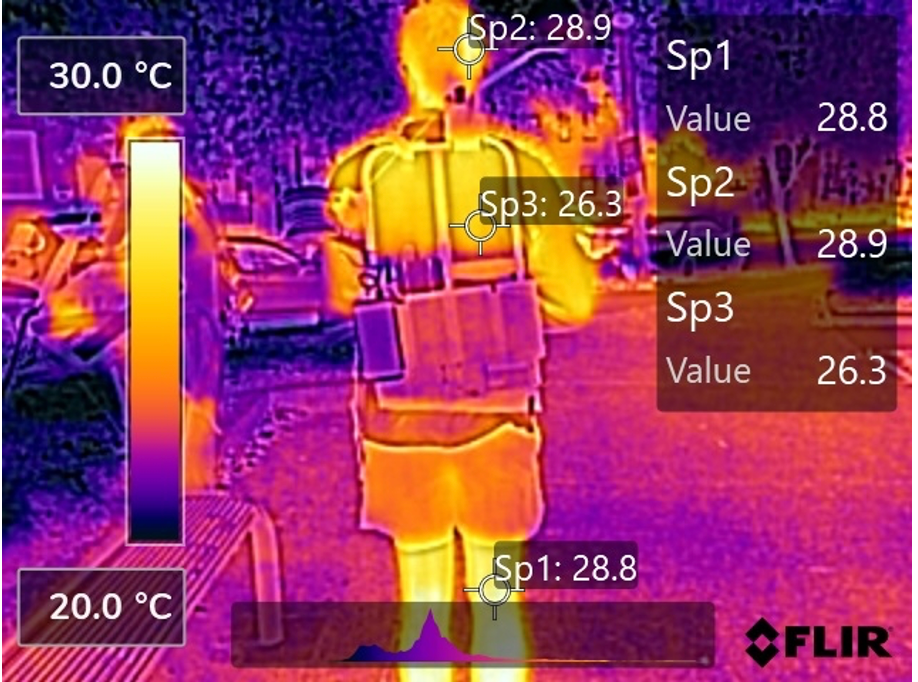
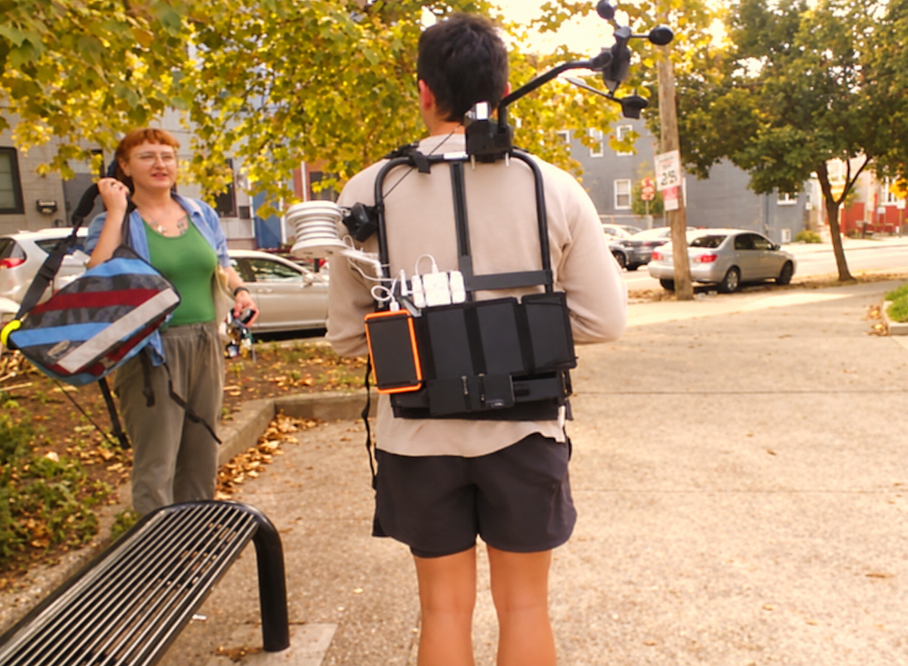
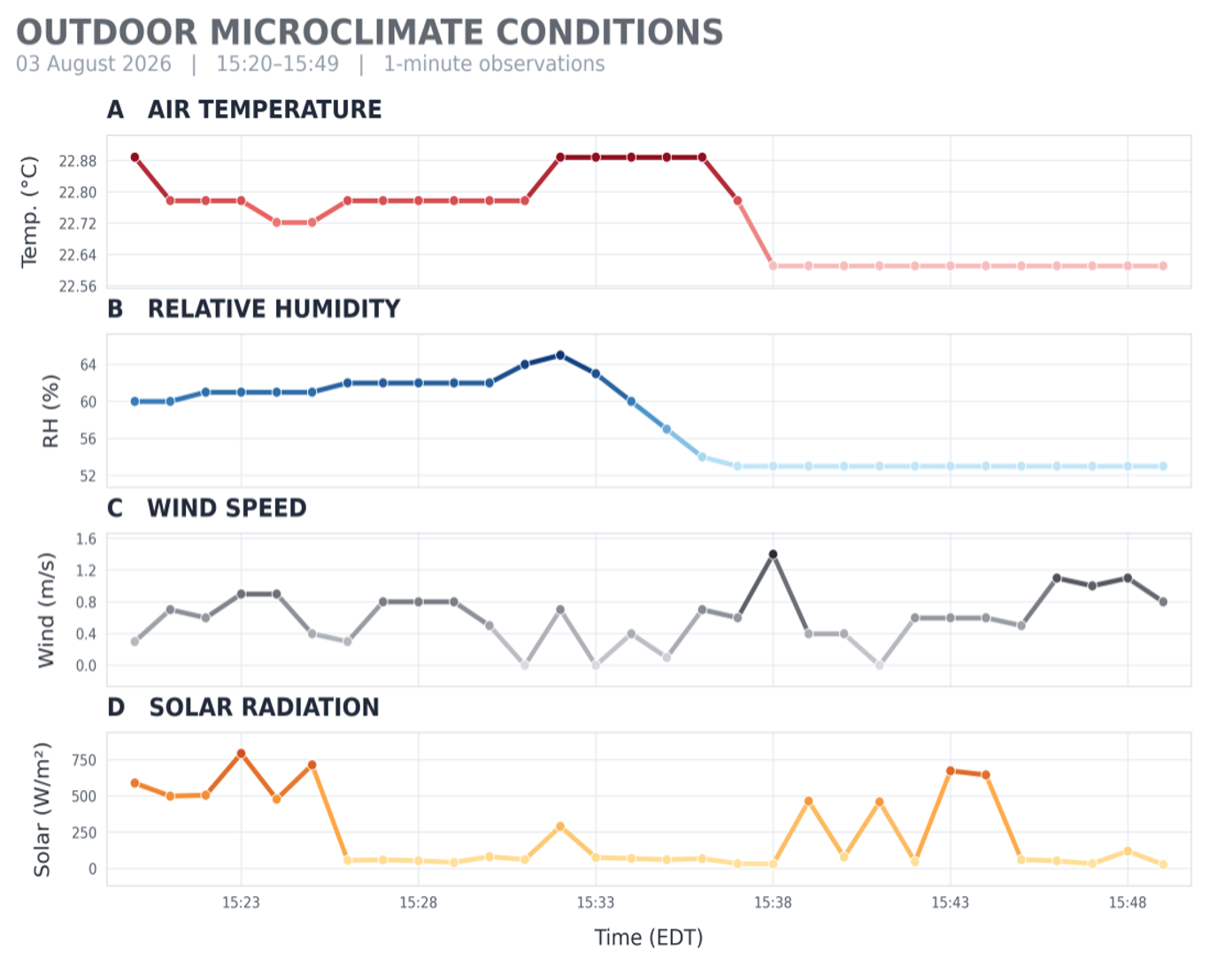
Along walking routes in Philadelphia, participants carried wearable weather stations that recorded temperature, humidity, wind speed, and solar radiation at one-minute intervals. These measurements were combined with urban environmental simulations and physiological data to evaluate how changing conditions, from direct sunlight to shaded streets, influence mean radiant temperature (MRT) and dynamic thermal sensation (DTS).
By integrating environmental measurements, physiological monitoring, and personal thermal experiences, the study explores how urban design shapes human heat exposure and well-being. The findings offer insights into designing healthier, more climate-resilient cities that respond to the needs of people moving through urban environments.
Principal Investigators: Dorit Aviv and Mallika Sarma
Project Team: Alia A. AlMusafer, Zhan Shi, Finn Warrick, Daphne Hicyilmaz