
Testing Reflective Coating for Urban Surfaces : Measurement and Simulation


Description
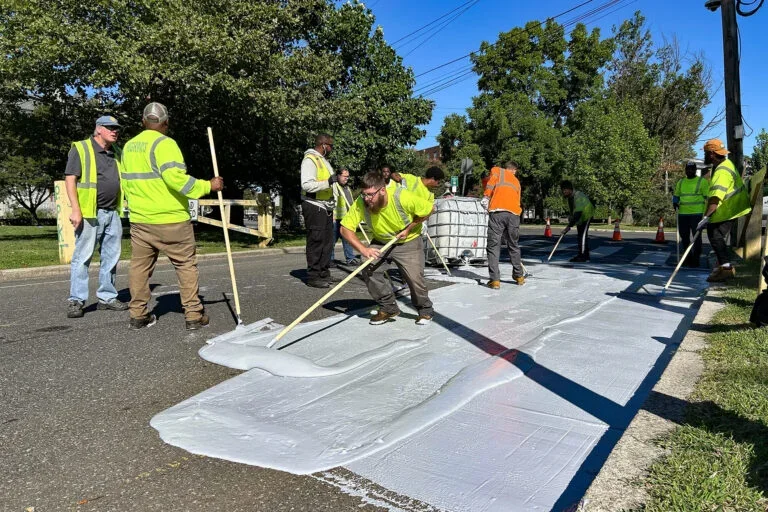
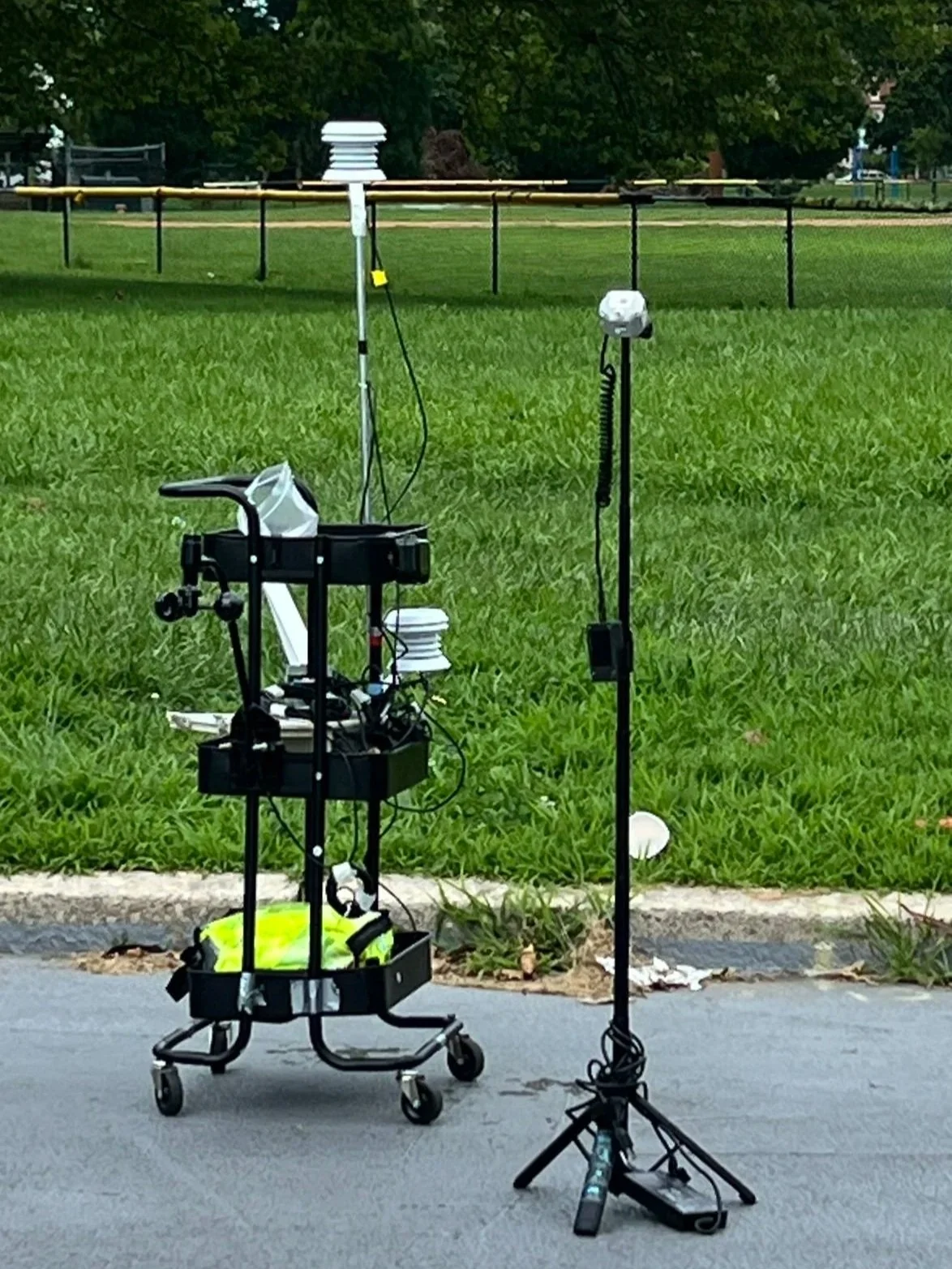
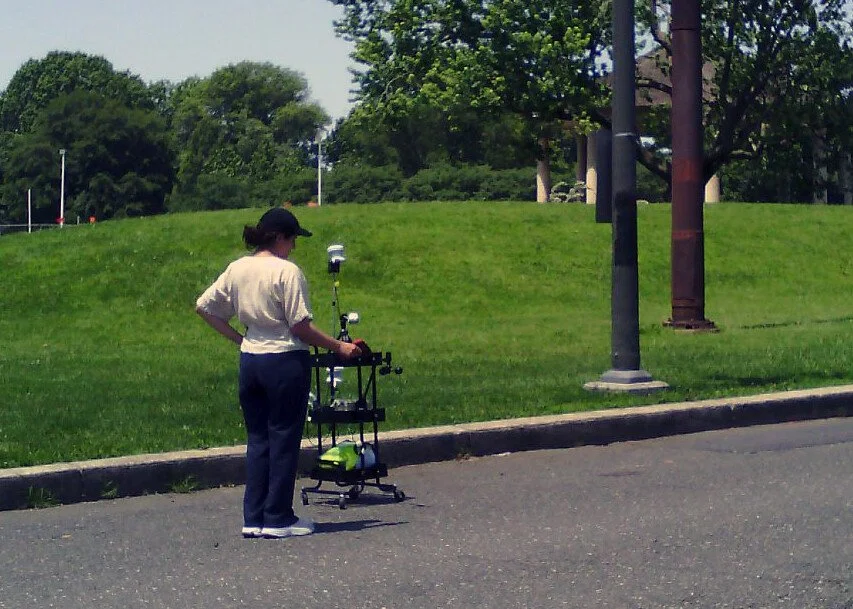
The Cool Pavement project is a collaborative field study conducted in Hunting Park, Philadelphia, as part of the city’s Urban Heat Island Mitigation Program. The research examines how reflective pavement coatings can reduce surface and radiant heat, improving outdoor thermal comfort in urban environments. Supported by the City of Philadelphia’s Office of Sustainability and led by faculty from the University of Pennsylvania’s Weitzman School of Design and School of Engineering and Applied Science, the study compares conventional asphalt with CoolSeal, a solar-reflective coating designed to minimize heat absorption. Using environmental sensors such as pyranometers, thermohygrometers, and thermal cameras, the team measured air temperature, humidity, shortwave and longwave radiation, and surface temperature at multiple times of day to assess how different materials interact with sun exposure, shading, and humidity. Preliminary findings show that CoolSeal surfaces remain, on average, 9.2°F cooler than asphalt, marking the first such demonstration in a humid climate. The research aims to advance data-driven design and simulation models for mean radiant temperature (MRT) and to inform future citywide strategies for reflective pavements, shaded corridors, and thermally comfortable public spaces.
The Research, for the City of Philadelphia Office of Sustainability is led by the Composto Research Group at Penn Engineering, in collaboration with the Thermal Architecture Lab at the Weitzman school of Design.
Student Team: Zhan Shi, Julia Chiang, Colby Snyder, Alan Zhu, Angelica Dadda, Nafisa Bangura.